You wouldn't start a road trip without checking your car first. Similarly, you shouldn't start a data project without understanding your data. That's where data profiling comes in.
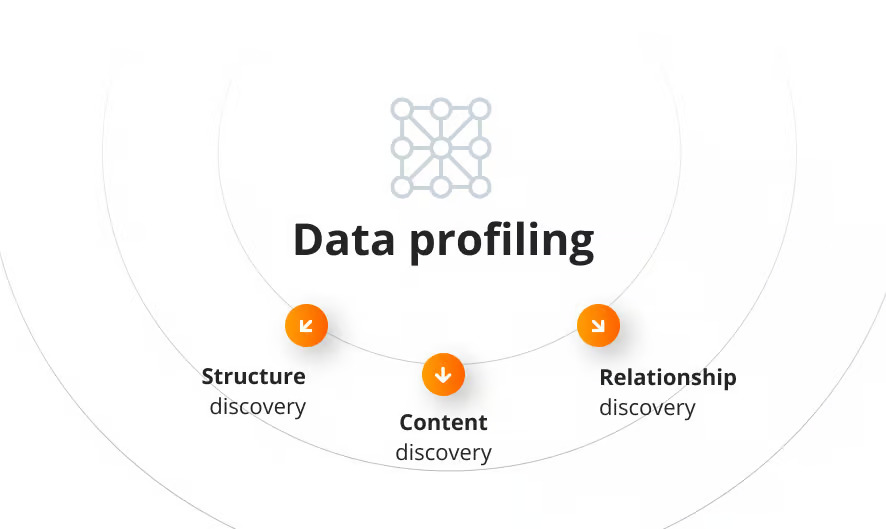
Data profiling is the process of examining, analyzing, and summarizing data to understand its structure, content, quality, and relationships. It's the essential first step before any data cleaning, migration, or analysis project.
What Exactly is Data Profiling?
Data profiling involves running statistical analyses on your data to create a comprehensive overview. This includes:
- Column analysis: Data types, unique values, null counts, min/max values
- Pattern analysis: Common formats, regular expressions, anomalies
- Distribution analysis: Histograms, frequency counts, statistical measures
- Relationship analysis: Dependencies between columns, foreign key relationships
- Quality metrics: Completeness, accuracy, consistency scores
📊 Think of it this way:
Data profiling is like getting a complete health checkup for your data. Just as a doctor runs tests to understand your health before treatment, data profiling reveals the condition of your data before you work with it.
The Three Types of Data Profiling
1. Structure Discovery
Understanding the format and organization of your data:
- Number of records and columns
- Data types (string, integer, date, etc.)
- Column names and their meanings
- File formats and encoding
2. Content Discovery
Examining what's actually in your data:
- Value distributions and frequencies
- Null and empty value percentages
- Unique value counts
- Min, max, mean, median, standard deviation
- Pattern recognition (emails, phone numbers, etc.)
3. Relationship Discovery
Understanding how data elements relate to each other:
- Primary key candidates
- Foreign key relationships
- Column correlations
- Functional dependencies
Why Every Business Needs Data Profiling
🎯 1. Prevents Costly Mistakes
Imagine migrating millions of customer records only to discover 30% have invalid email formats. Data profiling catches these issues before they become expensive problems.
📉 2. Improves Analysis Accuracy
Garbage in, garbage out. Understanding your data quality before analysis ensures your insights are based on reliable information.
⏱️ 3. Saves Time
Spending 30 minutes profiling data can save hours of troubleshooting later. You'll know exactly what cleaning steps are needed.
🔒 4. Ensures Compliance
Data profiling helps identify sensitive information (PII, PHI) that may require special handling for GDPR, HIPAA, or other regulations.
🤝 5. Builds Stakeholder Confidence
When you can present clear data quality metrics, stakeholders trust your analysis and recommendations.
📈 Real-World Impact:
Companies that implement data profiling as a standard practice report 40% fewer data-related project delays and 60% faster time-to-insight.
Key Data Profiling Metrics to Track
| Metric | What It Tells You |
|---|---|
| Completeness | % of non-null values in each column |
| Uniqueness | % of distinct values; helps identify potential keys |
| Validity | % of values matching expected format/rules |
| Consistency | Whether related fields contain compatible values |
| Accuracy | Whether values reflect the real-world correctly |
When Should You Profile Your Data?
- Before data migration: Understand source data quality before moving
- Before analysis projects: Know what you're working with
- After data integration: Verify merged data is correct
- Regularly on critical datasets: Monitor data quality over time
- When receiving new data sources: Validate external data
How to Get Started with Data Profiling
You have several options:
Manual Profiling (Not Recommended)
Writing SQL queries or Python scripts for each dataset. Time-consuming and error-prone.
Automated Profiling Tools (Recommended)
Modern tools like SubDivide provide instant, comprehensive profiling reports with just a file upload. No coding required.
🚀 With SubDivide:
- Upload any CSV, Excel, or database export
- Get instant profiling reports
- View distributions, patterns, and anomalies
- Export findings for stakeholder review
- Seamlessly move to data cleaning when ready
Conclusion
Data profiling isn't optional—it's essential. In a world where data drives decisions, understanding your data quality is the first step to making better decisions.
Whether you're a data analyst, business intelligence professional, or business owner, make data profiling a standard part of your workflow. Your future self (and your stakeholders) will thank you.
✅ Want to profile your data in seconds?
Try SubDivide — upload your data and get instant, comprehensive profiling reports. No code, no complexity.